September 24, 2026
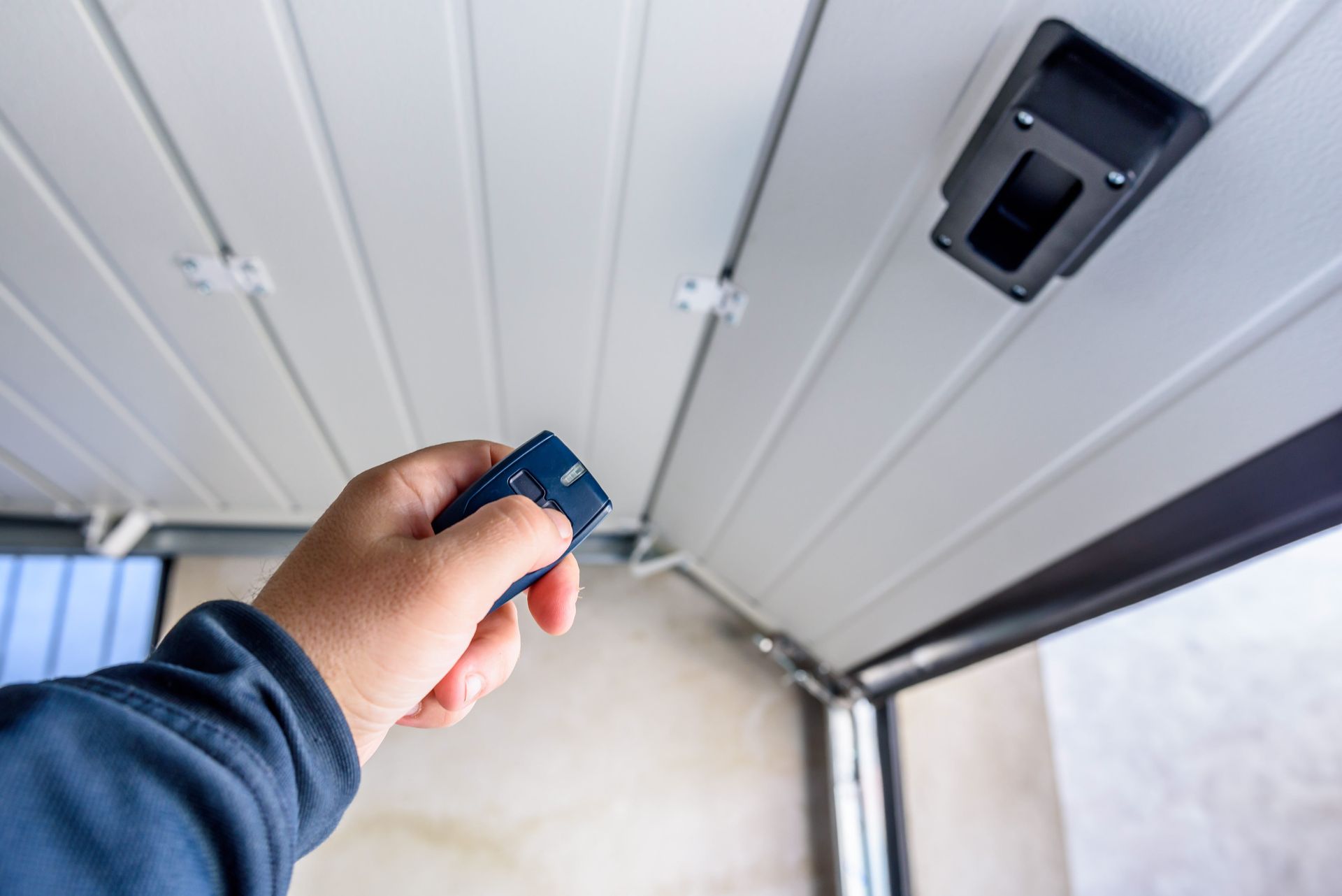
A garage door opener remote provides seamless, push-button access to your home, making sudden remote failures a frustrating disruption to your daily routine. When you press the remote button and nothing happens, the culprit can range from a quick power fix to an underlying mechanical or electronic failure within the motor unit itself. Understanding how your remote communicates with the motor housing helps diagnose problems quickly and determines whether a simple adjustment or professional service is required. By systematically evaluating power sources, signal frequencies, safety features, and mechanical hardware, homeowners can isolate the cause of a malfunctioning remote and restore dependable overhead door access.
Checking for Depleted or Misaligned Remote Batteries
The most frequent cause of a non-responsive garage door remote is simply a dead or weak battery. Over time, coin-cell or standard alkaline batteries lose voltage, rendering the transmitter signal too weak to reach the overhead receiver antenna. Opening the back panel of the handheld transmitter, inspecting battery contacts for corrosion, and replacing old batteries with fresh ones often resolves the issue instantly. If fresh batteries fail to restore function, ensure the metal contact terminals inside the casing are making a firm connection with the battery surfaces. Taking time to rule out basic power supply issues saves unnecessary troubleshooting stress before exploring more complex electronic repairs.
Resolving Radio Signal Frequency and Antenna Interference
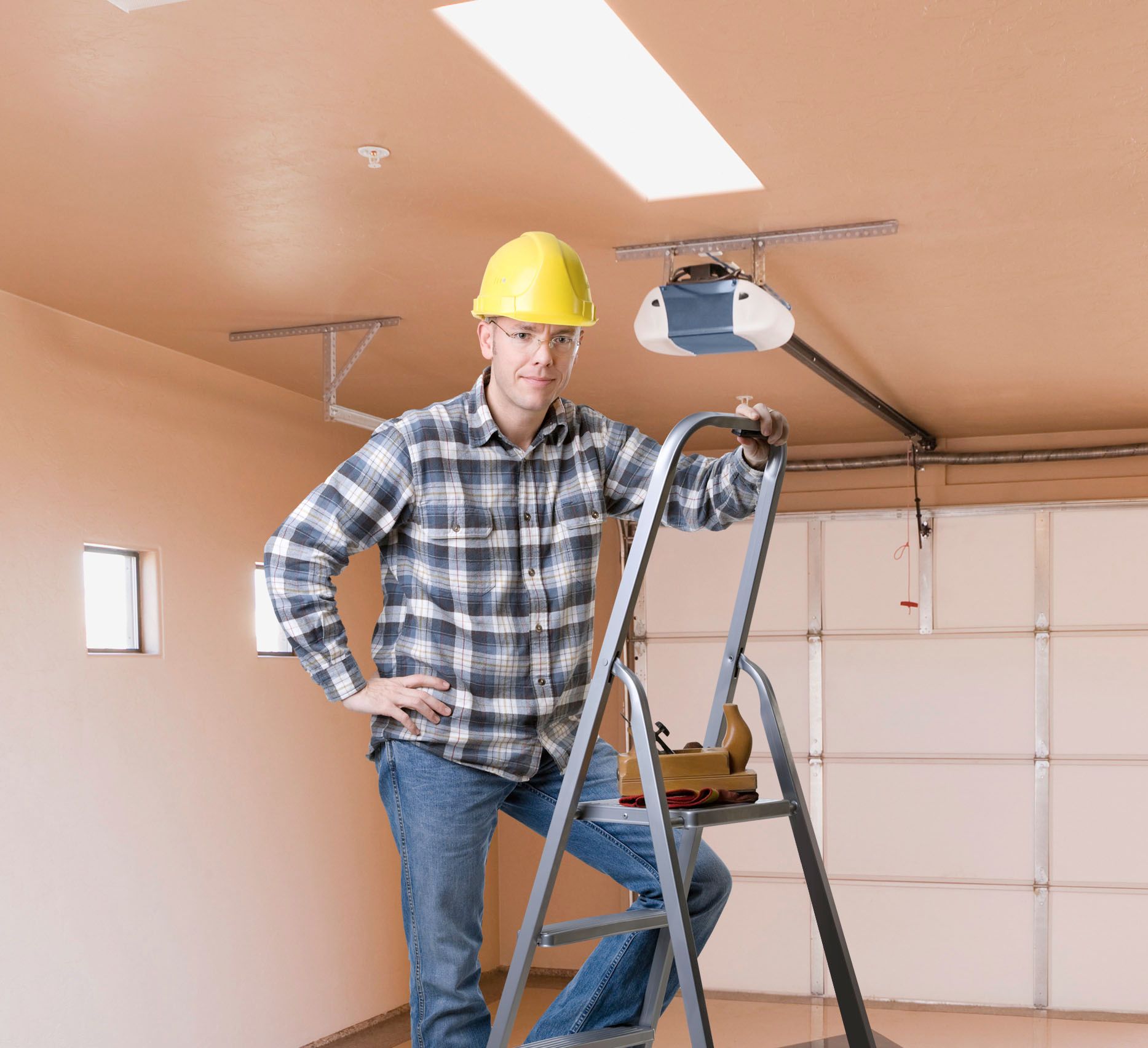
Handheld remotes communicate with the overhead drive unit using radio frequency signals transmitted across specific megahertz bands. Physical obstructions, electrical interference, or antenna damage can disrupt this wireless communication channel. Inspect the thin wire antenna dangling from your ceiling-mounted motor casing to ensure it is not bent upward, cut, or wrapped around internal wiring. Radio frequency interference from neighboring LED light bulbs, security cameras, or wireless home networking gear can also block remote signals. If signal blockage persists despite clear line-of-sight access, scheduling professional garage door opener repair helps identify and eliminate local frequency disruption sources.
Re-Establishing Lost Programming and Receiver Logic Codes
Modern garage door remotes utilize rolling code technology, continuously altering security transmission codes with every press to prevent signal interception. Occasionally, the synchronization between the handheld transmitter and the opener logic board breaks down due to electrical surges or power outages. Re-establishing connection requires accessing the learn button on the back of the overhead motor housing, holding it down, and clearing the existing memory before pairing the remote again. If your motor unit consistently loses transmitter programming after power fluctuations, an internal circuit board fault may be present, requiring specialized garage door opener repair to replace compromised receiver modules.
Evaluating Keypad and Wall Station Compatibility Issues
When troubleshooting handheld remotes, testing adjacent control devices like wall-mounted push buttons and exterior wireless keypads provides critical diagnostic insight. If the wall button operates the door properly but handheld remotes fail, the problem is isolated to wireless receiver components or remote hardware. Conversely, if neither the wall station nor remote controls activate the motor, the main power supply or control board may be completely unresponsive. Identifying these patterns guides appropriate garage door opener repair decisions, preventing unnecessary remote replacements when broader electrical issues affect the whole system.
Inspecting Safety Sensors and Disengaged Emergency Locks
Safety sensor misalignment can create symptoms that mimic a broken remote control. If infrared photo-eye sensors mounted near the floor detect an obstruction or lose alignment, the motor housing refuses to accept close signals from handheld transmitters for safety reasons. In this scenario, the motor light usually flashes repeatedly when you press the remote button. Furthermore, many wall control stations feature a physical lock button designed to disable remote signals during vacations. Ensuring the vacation lock switch is deactivated and safety sensors are aligned restores normal remote functionality without requiring mechanical repairs.
Overcoming Smart Home Integration and Mobile App Conflicts
Many modern garage door systems utilize Wi-Fi connectivity and smartphone applications alongside traditional radio-frequency remotes. While these smart platforms offer enhanced convenience, network configuration conflicts or outdated firmware can occasionally freeze the opener's internal wireless receiver. If an automated smart home schedule, cloud update, or app command locks the logic board, handheld remotes may momentarily stop responding. Power-cycling the main unit by unplugging it for thirty seconds often resets the network interface and clears software glitches. When persistent connectivity conflicts prevent physical remotes from communicating, consulting specialists in garage door opener repair ensures both your smart apps and handheld transmitters work in tandem without system lockouts.
Identifying Internal Motor Board and Hardware Aging
Electronic control boards, drive gears, and radio receiver modules experience gradual wear from thermal cycles and daily operational stress. Age-related component degradation eventually causes intermittent signal loss or complete electronic failure. System age plays a major role when determining whether component servicing or full replacement makes economic sense. According to Forbes, the average lifespan of a garage door opener is approximately 10 years. When an aging unit reaches the end of its operational lifespan, frequent remote failures often signal broader electronic decline, making comprehensive garage door opener repair or system replacement necessary to maintain reliable access.
Addressing Physical Damage and Microswitch Wear
Handheld remotes suffer frequent drops onto hard driveway concrete, exposure to moisture, and mechanical wear on internal rubber microswitches. Repeated impact can break solder joints on internal circuit boards or crack plastic battery housings, causing intermittent contact failure. Cleaning internal contact pads with isopropyl alcohol sometimes revives worn buttons, but physical circuit damage typically necessitates transmitter replacement. When replacing remotes, ensuring brand compatibility and frequency alignment guarantees smooth integration. Consulting experts in garage door opener repair ensures you select compatible universal or original equipment manufacturer transmitters programmed correctly for your opener model.
Managing Environmental and Temperature Stress Effects
Extreme seasonal weather changes impact both remote batteries and overhead motor electronics significantly. Sub-freezing winter temperatures cause battery voltage to drop sharply, diminishing signal range, while summer heat accelerates wear on circuit board capacitors. Condensation inside unheated garage spaces can also cause temporary short circuits across internal receiver boards. If your remote functions reliably during warm afternoons but fails during freezing mornings, thermal stress is directly affecting power output. Professional garage door opener repair addresses temperature-sensitive electrical faults, ensuring steady performance regardless of seasonal weather extremes.
Preventing Electrical Surges and Power Fluctuations
Unanticipated power surges caused by lightning storms or grid instability can damage sensitive microprocessors within garage door opener logic boards. A power spike can clear programmed remote memory instantly or burn out the wireless receiver module entirely. Installing surge protectors directly at the opener power outlet guards internal electronics against high-voltage spikes. If severe weather leaves your system completely unresponsive to all remotes, professional garage door opener repair technicians can inspect internal fuses, test transformer voltage, and replace damaged logic boards to restore safe operation.
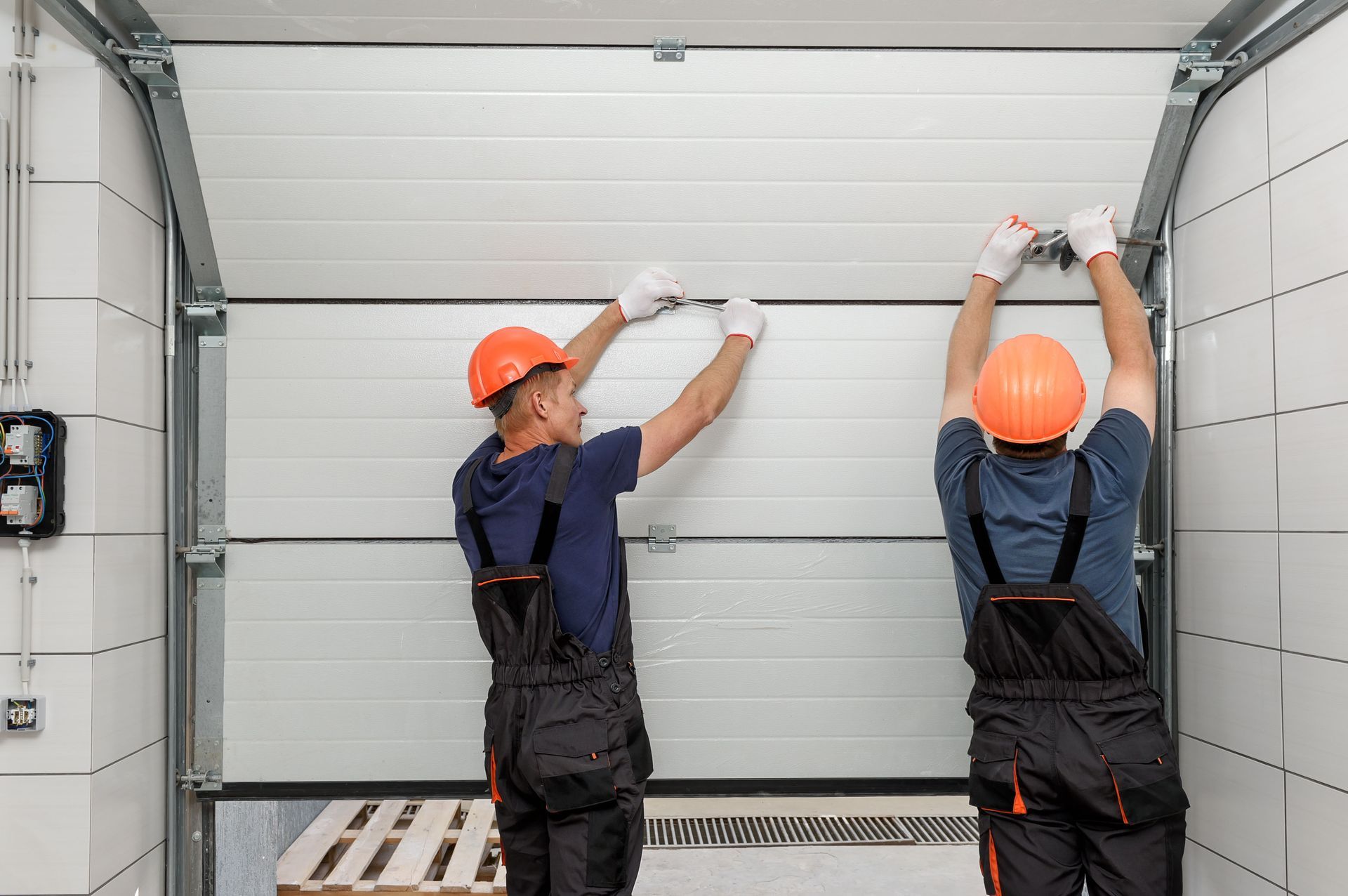
A non-functioning garage door remote is often a solvable problem once you identify whether the breakdown stems from simple battery drain, frequency interference, or internal electronic wear. Systematically checking basic power connections, clearing safety sensor obstructions, and re-pairing transmission codes resolves many common remote issues at home. However, when complex logic board failures or mechanical aging disrupt daily convenience, seeking qualified garage door opener repair ensures long-term reliability and safety. Proper diagnostic care and timely servicing keep your automated entry system working smoothly for years to come. Contact Cumberland Garage Doors Inc today for prompt, professional opener repair and expert troubleshooting tailored to your home.