October 27, 2026
A garage door should open and close smoothly, with consistent movement and minimal noise throughout its operating cycle. When the door begins to shake, vibrate, or rattle, it may indicate that one or more components need attention. Some noises result from loose hardware or a lack of lubrication, while others may point to worn rollers, track alignment problems, or issues with the door's balance. Ignoring these warning signs can allow minor concerns to develop into more significant mechanical problems. Timely garage door repairs can help identify the source of unusual movement and restore smoother operation. Homeowners should pay attention to changes in sound, speed, and movement rather than assuming every new noise is harmless. Understanding common causes makes it easier to recognize when basic maintenance may help and when professional service is necessary. A properly functioning garage door supports everyday convenience while helping protect the home's entry point.
Identifying Loose Hardware and Fasteners
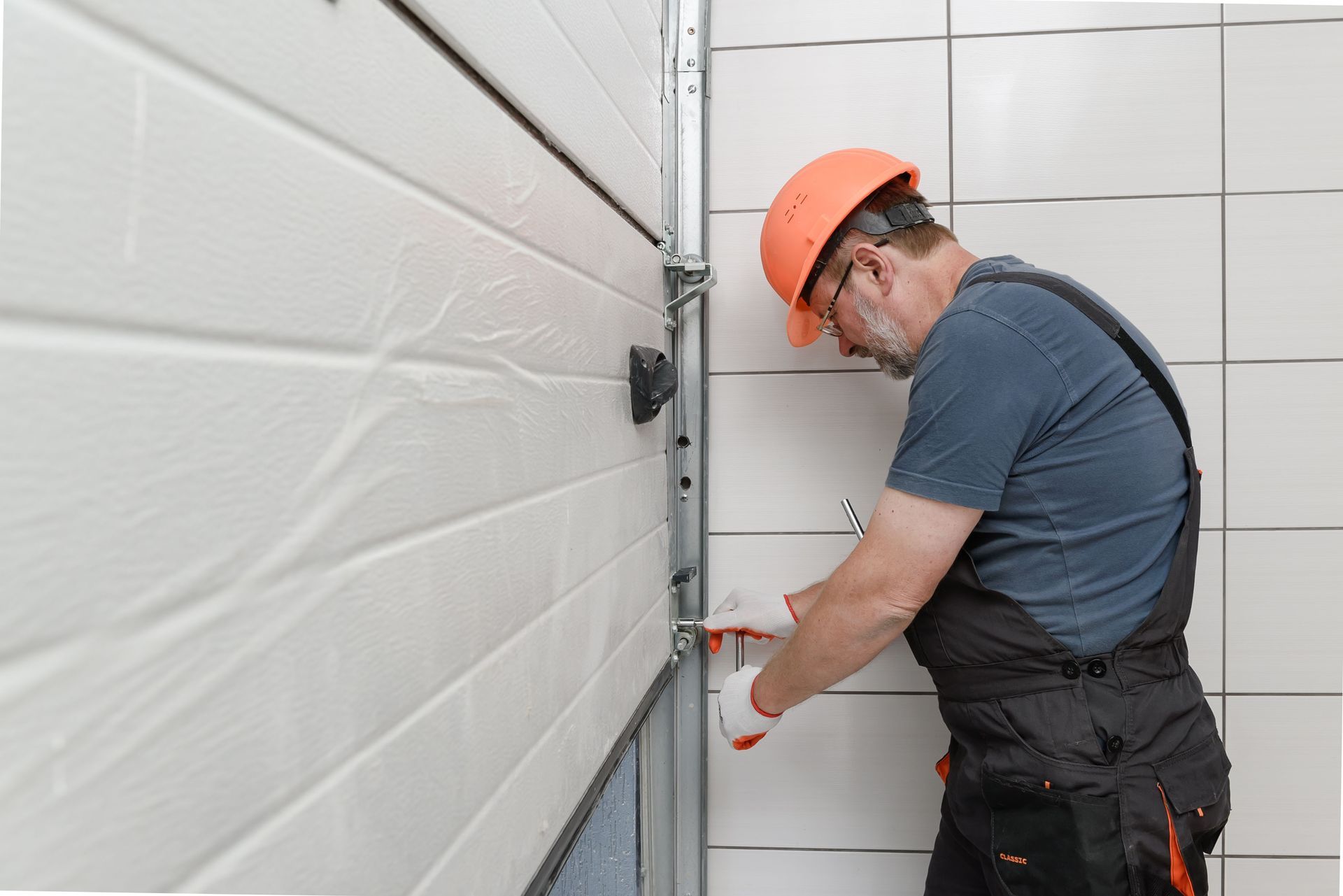
Garage doors move repeatedly along a system of rollers, tracks, hinges, and brackets, creating vibration throughout the opening and closing process. Over time, this repeated movement can loosen some of the hardware that holds the system together. Loose bolts or screws may cause metal components to rattle against one another as the door travels. Homeowners might notice the sound becoming louder when the door starts moving or changes direction. A visual inspection from a safe distance can sometimes reveal loose brackets, visibly shifting parts, or hardware that no longer sits securely. Addressing these concerns early through garage door repairs can help prevent additional strain on connected components. However, homeowners should avoid tightening hardware connected to springs, cables, or other high-tension mechanisms. A qualified technician can inspect the system and secure appropriate fasteners without creating unnecessary safety risks.
Examining Worn Rollers and Tracks
Rollers guide a garage door along its tracks, helping the panels move between the open and closed positions. When rollers become worn, cracked, or damaged, they may no longer travel smoothly along the track surface. This can create grinding sounds, uneven movement, or noticeable shaking as the door operates. Dirt and debris inside the tracks may also interfere with roller movement and contribute to rattling. Bent tracks or misaligned sections can make the problem more serious by forcing rollers to move through an uneven path. Professional garage door repairs may involve assessing the rollers, checking track alignment, and replacing components that can no longer function properly. Homeowners can keep the visible track area free of stored objects and loose debris, but should not bend tracks or adjust their mounting hardware themselves. If the door appears to be slipping off its track, stop using it and arrange for a professional inspection.
Checking the Door Balance and Spring System
A garage door relies on springs to counterbalance its weight, allowing the opener to move it without excessive effort. If the spring system becomes worn, damaged, or improperly adjusted, the door may shake, move unevenly, or struggle during operation. An unbalanced door can also place additional strain on the opener, potentially contributing to unusual noises and premature component wear. In some cases, the door may appear to rise unevenly or hesitate while moving between positions. Because springs and related cables operate under substantial tension, these components can cause serious injuries if handled incorrectly. Garage door repairs involving spring adjustments, replacement, or balance problems should be performed by trained professionals. Homeowners should never attempt to stretch, loosen, or remove a torsion spring themselves. If a spring appears broken or the door suddenly feels unusually heavy, discontinue operation and arrange for qualified service.
Recognizing Problems With the Garage Door Opener
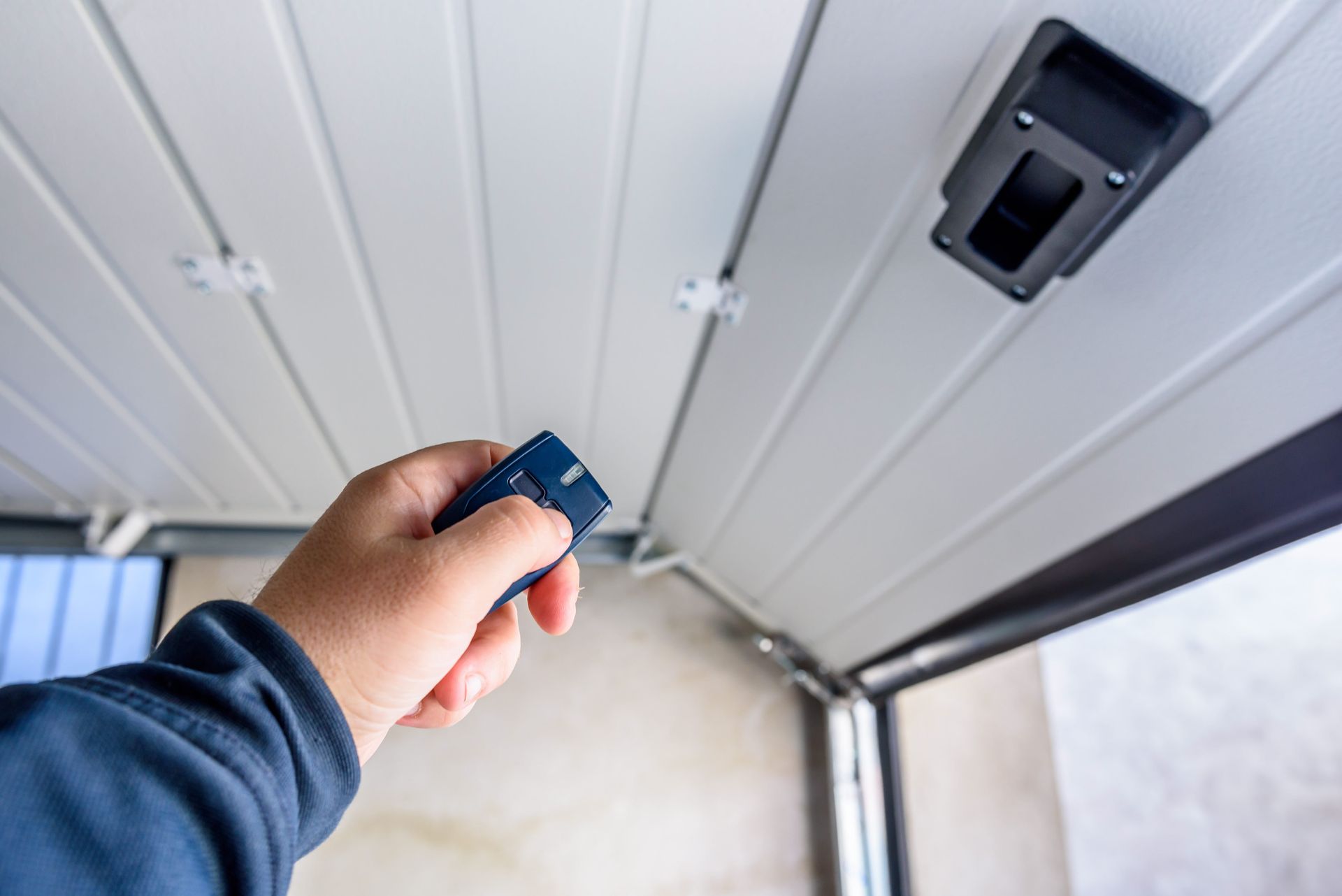
The opener provides the power needed to move the door, but its motor, drive mechanism, and mounting hardware can also contribute to shaking or rattling. Loose mounting brackets may allow the opener to vibrate against the ceiling or supporting structure during operation. Worn gears, a strained motor, or problems with the drive chain or belt can create unusual sounds as the system works. According to Mordor Intelligence, manual systems accounted for 55.90% of the garage and overhead doors market size in 2025, highlighting the presence of systems that operate without powered openers. For homes with automatic doors, identifying whether the sound originates from the opener or the door itself can help narrow down the cause. A technician can examine the drive mechanism, mounting points, and operating settings to determine whether adjustment or replacement is appropriate. Homeowners should avoid opening the motor housing or modifying electrical components without the necessary training. Prompt attention to opener problems can help prevent further wear and restore reliable operation.
Reducing Vibration Through Proper Lubrication
Friction between moving components can contribute to squeaking, grinding, and rattling noises during a garage door's operating cycle. Rollers, hinges, and other designated moving parts may require periodic lubrication to maintain smooth movement. When lubrication dries out or dirt accumulates on components, the system may become noisier and experience increased resistance. Using a lubricant specifically recommended for garage door components can help reduce friction without leaving unsuitable residue. However, lubrication will not correct structural problems such as bent tracks, damaged rollers, or loose mounting brackets. If shaking continues after routine maintenance, further inspection may be needed to identify the underlying issue. Professional garage door repairs can address mechanical faults that lubrication alone cannot resolve. Homeowners should follow the manufacturer's maintenance guidance and avoid applying lubricant to surfaces where it is not recommended, including the track surfaces unless the manufacturer specifically instructs otherwise.
Assessing Panel Damage and Structural Movement
Garage door panels can become damaged by accidental impacts, weather exposure, or gradual material deterioration. A dented panel may shift the door's weight distribution or interfere with the alignment of adjoining sections. Loose hinges connecting the panels can also create movement and rattling as the door bends while traveling along the tracks. Homeowners may notice that one section vibrates more than the others or that the door no longer appears straight when closed. Small cosmetic dents do not always affect operation, but larger bends, cracks, and separation between panels deserve closer attention. Timely garage door repairs can help determine whether a damaged section can be restored or requires replacement. The condition of the entire door should be considered before deciding how to address a single panel. If the door appears crooked, has separated at a joint, or moves unpredictably, stop operating it until a professional evaluates the structure.
Responding to Weather and Temperature Changes
Changes in weather can affect garage door materials and the conditions surrounding the operating system. Metal components may expand and contract with temperature fluctuations, while moisture can contribute to corrosion on exposed hardware. Wind and storms may also introduce debris into tracks or place additional pressure on the door and its supporting structure. Wooden doors can respond to humidity by swelling or changing shape, potentially affecting their fit and movement. These changes may produce new rattling sounds or make an existing mechanical problem more noticeable. Homeowners should inspect the visible door surface and surrounding area after severe weather, looking for obvious damage or obstructions. Professional garage door repairs may be needed if the door has shifted, become misaligned, or developed persistent operating problems. Keeping the area clear and following recommended maintenance schedules can help reduce avoidable wear across changing seasons.
A shaking or rattling garage door should not be ignored, particularly when the noise becomes louder or the movement grows less consistent. Loose hardware, worn rollers, opener problems, and damaged panels can all affect the door's performance, but the correct solution depends on the underlying cause. Cumberland Garage Doors, INC can help homeowners assess garage door concerns and determine the appropriate next steps. If your door has started vibrating, rattling, or moving unevenly, contact us to discuss the problem and arrange professional assistance.