November 25, 2026
A garage door is one of the most frequently used features of a home, providing convenient access to the garage while helping protect vehicles, tools, and other belongings. Because it is used so regularly, its components naturally experience wear and tear over time. Springs, cables, rollers, tracks, and openers can all develop problems that affect how well the door operates. While some issues may seem minor at first, ignoring them can lead to more extensive damage, inconvenient breakdowns, or potential safety concerns. Knowing when to schedule professional garage door repairs can help homeowners address problems before they become more serious.
For homeowners, recognizing the warning signs of a malfunctioning garage door is an important part of routine property maintenance. Unusual noises, inconsistent movement, and visible damage can all indicate that something needs attention. Cumberland Garage Doors Inc understands the importance of having a garage door that operates safely and reliably. By identifying common problems and responding promptly, homeowners can help maintain their garage doors and avoid unnecessary complications.
Recognizing Unusual Garage Door Noises
Garage doors naturally produce some noise as they open and close, but sudden or unusually loud sounds can indicate a mechanical problem. Grinding, squeaking, rattling, and banging noises are all worth investigating. These sounds may come from loose hardware, worn rollers, damaged tracks, or components that need lubrication. Although some noises may have simple explanations, persistent or worsening sounds should not be ignored.
A squeaking noise, for example, could indicate friction between moving components. Rattling may suggest that nuts, bolts, or brackets have become loose from repeated operation. Grinding sounds might point to worn rollers or an issue with the door's tracks. If these problems are left unaddressed, they can place additional strain on other parts of the system.
Professional garage door repairs can help identify the source of unusual noises and determine which components need attention. Rather than attempting to adjust unfamiliar mechanical parts, homeowners can have a technician inspect the system and recommend an appropriate solution. Addressing unusual sounds early may also prevent minor mechanical issues from developing into more disruptive problems.
Identifying Problems With Door Movement
A properly functioning garage door should move smoothly and consistently along its tracks. If the door begins moving unevenly, hesitating, shaking, or getting stuck, there may be an issue with its mechanical components. These symptoms can result from misaligned tracks, damaged rollers, worn cables, or problems with the spring system. A door that struggles to open or close may also place unnecessary strain on the garage door opener.
Homeowners should pay attention to changes in how quickly and smoothly their doors operate. If one side of the door appears lower than the other, the system may have a balance or alignment problem. A door that stops halfway through its movement may have an obstruction, a malfunctioning opener, or a mechanical issue that requires professional evaluation.
Prompt garage door repairs can help restore consistent movement and reduce the risk of additional damage. Continuing to operate a door that repeatedly sticks or moves unevenly can make existing problems worse. If the door appears crooked, comes off its tracks, or begins moving unpredictably, stop using it and arrange for a professional inspection.
Responding to Broken or Worn Springs
Garage door springs play an essential role in lifting and lowering the door. They counterbalance much of its weight, allowing the opener or manual operation to move it more easily. Because springs experience significant tension during normal use, they gradually wear down and may eventually break. A loud popping sound, a door that suddenly feels unusually heavy, or a door that will not open properly can indicate a spring problem.
There are two common types of garage door springs: torsion springs and extension springs. Torsion springs are typically mounted above the garage door, while extension springs are positioned along the sides of the tracks. Both types can become worn or damaged through repeated use. When a spring breaks, the door may become difficult or impossible to operate safely.
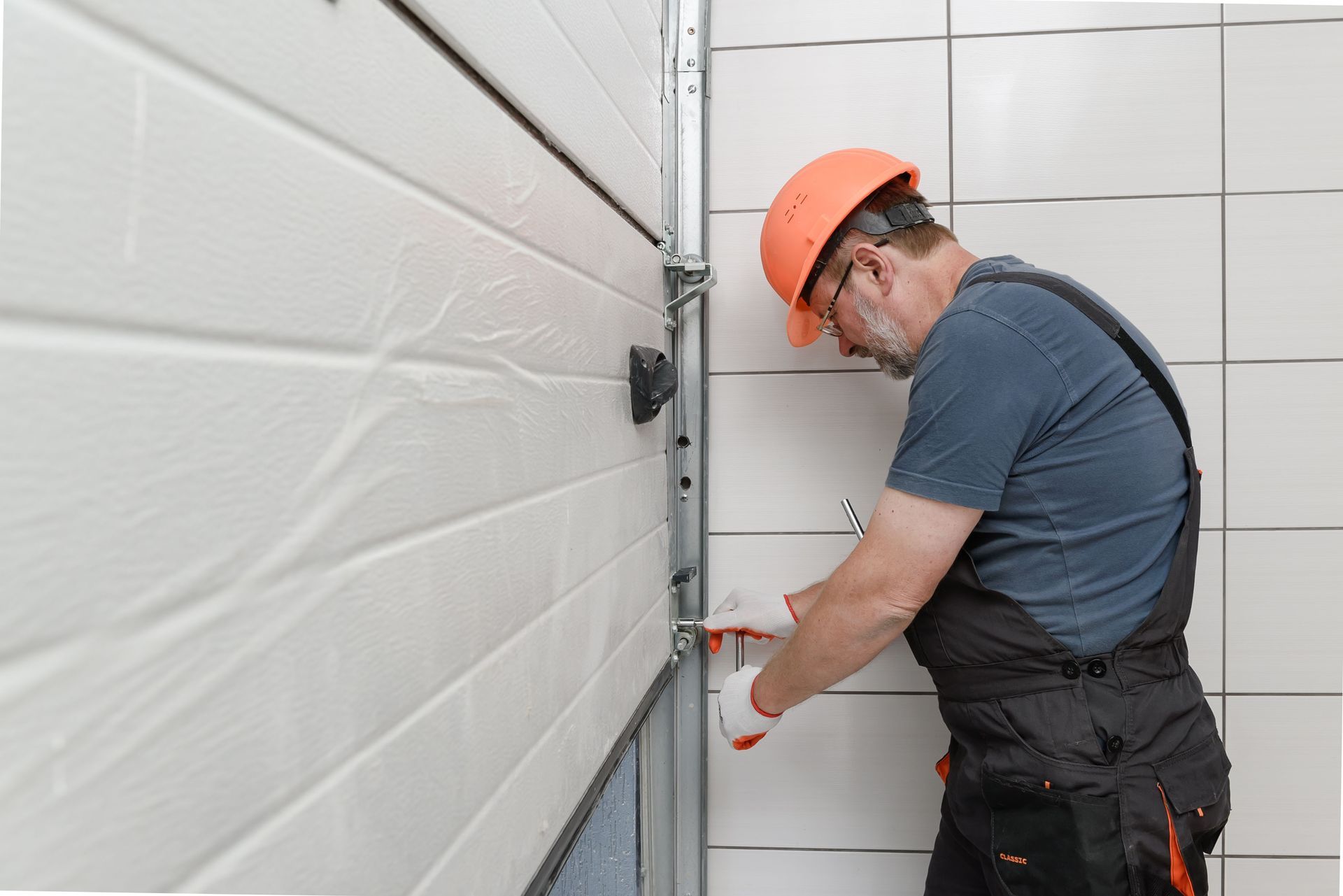
Spring-related garage door repairs should always be handled by trained professionals. These components are under substantial tension, and attempting to remove, adjust, or replace them without the proper training and equipment can result in serious injuries. Homeowners should avoid operating the door if a spring appears broken and contact a qualified technician to assess the situation.
Addressing Garage Door Opener Malfunctions
An automatic garage door opener makes entering and leaving the garage more convenient, but it can also develop problems over time. If the opener responds inconsistently to the remote, makes unfamiliar noises, or fails to move the door, there may be an electrical or mechanical issue. Problems can involve the motor, wiring, remote controls, wall switches, or safety sensors.
One common issue occurs when a garage door begins closing but immediately reverses direction. This behavior may be related to misaligned safety sensors or an obstruction in the door's path. Sensors are designed to detect objects and help prevent the door from closing when something is underneath it. If they become dirty, blocked, or misaligned, the opener may not function as intended.
Other warning signs include delayed responses, intermittent operation, and an opener that runs without moving the door. While checking the remote batteries or clearing an obstruction may resolve certain minor problems, recurring malfunctions require a closer inspection. Professional garage door repairs can help determine whether the opener needs adjustment, replacement parts, or more extensive service. Keeping the opener in good condition helps maintain the convenience and safety of an automatic garage door system.
Noticing Visible Damage to Door Components
Visual inspections can help homeowners identify problems before they interfere with everyday garage door operation. Dents, cracks, rust, frayed cables, loose brackets, and damaged weatherstripping can all indicate that maintenance or repairs are needed. Even when the door continues to function, visible damage may affect its structural integrity, appearance, or ability to protect the garage.
For example, damaged panels can weaken the door and affect how it moves along the tracks. Rust may gradually compromise metal components, while frayed cables can signal a serious mechanical concern. Worn weatherstripping around the bottom or sides of the door can also allow drafts, moisture, dirt, and pests to enter the garage.
The condition of these components can influence the overall performance of the garage door system. Prompt garage door repairs can address damaged parts before they contribute to additional wear. Homeowners should avoid handling frayed cables or bent structural components themselves, as these parts may be connected to mechanisms under significant tension. A professional assessment can help determine whether individual components can be repaired or whether replacement is necessary.
Understanding the Value of Timely Maintenance
Waiting until a garage door stops working completely can lead to unexpected inconvenience and potentially more extensive repair needs. Routine maintenance and early attention to warning signs can help homeowners identify worn components before they cause a major breakdown. Simple practices, such as keeping the tracks clear of debris, checking the door's exterior for visible damage, and listening for changes during operation, can help reveal developing problems.
According to Bob Vila, a professionally installed garage door produces an average return on investment of 85%. This figure highlights the value a properly functioning garage door can contribute to a property. Maintaining an existing door is also important because neglected components may affect its operation, appearance, and long-term usefulness.
Professional inspections can help evaluate the condition of the door, opener, springs, cables, rollers, and other hardware. A technician can identify concerns that may not be immediately noticeable to a homeowner and recommend repairs based on the system's condition. Scheduling service when problems first appear can help reduce the likelihood of unexpected failures and keep the garage door operating as intended.
Cumberland Garage Doors Inc can help homeowners address garage door problems and maintain dependable operation. Whether a door is making unfamiliar noises, struggling to open, or showing signs of component damage, professional service can help identify the issue and determine the appropriate solution. Paying attention to warning signs and scheduling
garage door repairs when necessary can help homeowners protect their investment and keep an important part of their property functioning properly. Contact us today for more information.